
13/05/2026
Why Is Exterior Continuous Insulation a Smart Move for Your Building?
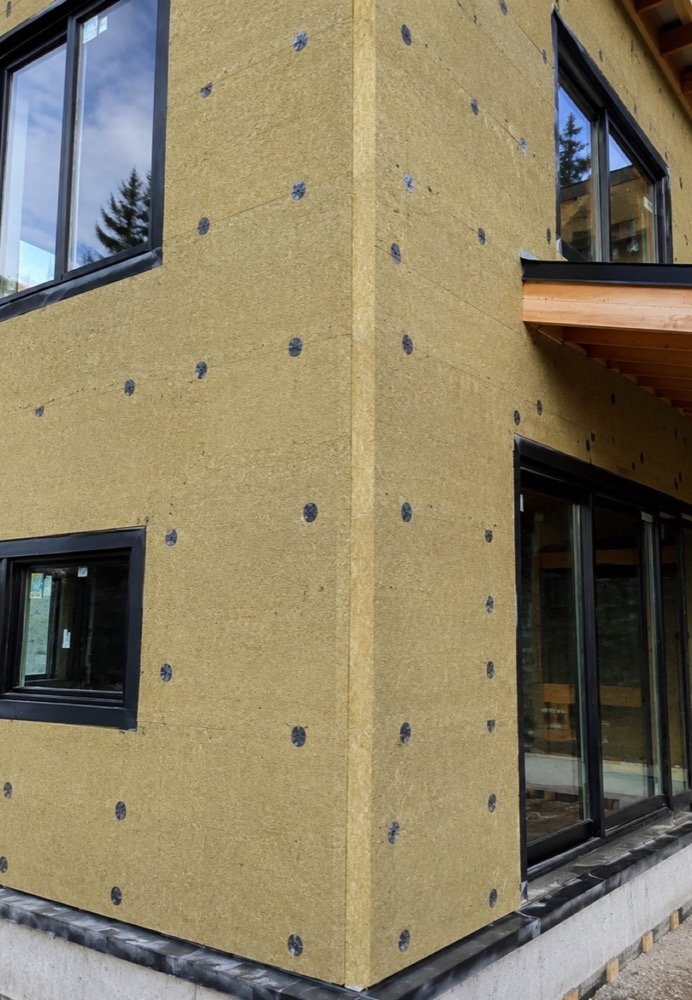
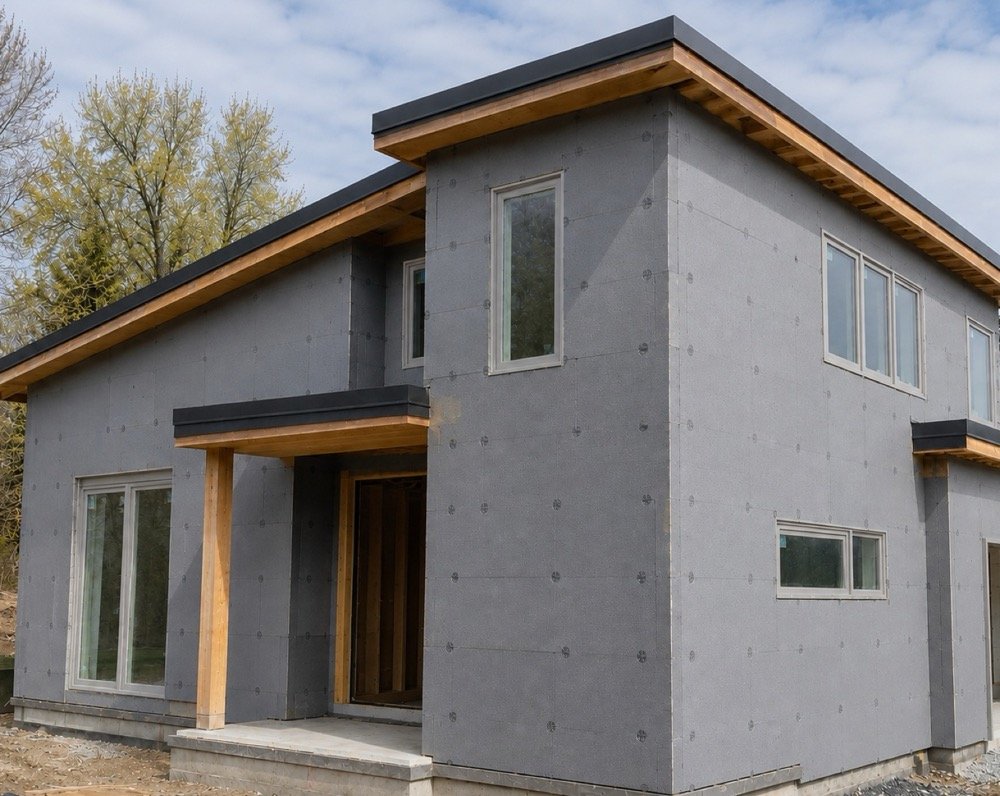
At Fractal Architects, we value high-performance design, and one of the best ways to upgrade your building enclosure is by wrapping it in a cozy, uninterrupted blanket of continuous exterior insulation (CI). Think of it like giving your building a puffer jacket, not just stuffing insulation between the studs and hoping for the best.
What Is Continuous Insulation?
Continuous insulation runs along the exterior of the building, uninterrupted by framing members like studs, which are major thermal bridges. CI creates a thermal and vapor buffer that helps keep wall assemblies warmer and reduces condensation risk.
Why Is It Better Than Just Cavity Insulation?
Framing members interrupt insulation between studs; what building science calls thermal bridging. Even with high R-value cavity insulation, heat can still bypass the insulation through the framing. Continuous insulation helps reduce these losses and improves overall energy efficiency. So you can keep more of the conditioned air (warm or cool) that you already paid for!
Condensation Control
If insulation exists only inside the wall cavity, the exterior wall sheathing can become cold during winter conditions, increasing the risk of condensation inside the wall assembly. Continuous exterior insulation helps keep the sheathing warmer and reduces the likelihood of trapped moisture, mold, and long-term durability issues.
Building Science + Climate Zones
The International Energy Conservation Code (IECC) and building science research emphasize that the ratio of exterior insulation to cavity insulation matters. Colder climate zones generally require more exterior insulation to keep the wall assembly warm enough to avoid condensation.
Don’t Forget About Comfort
Continuous exterior insulation doesn’t just improve energy efficiency—it also significantly improves occupant comfort. By wrapping the structure in insulation, interior surfaces stay more consistent in temperature, helping reduce drafts, cold walls, and uncomfortable hot or cold spots.
This creates a more stable indoor environment with improved comfort near windows, corners, and exterior walls. CI can also contribute to quieter interiors and better overall indoor environmental quality when paired with proper air sealing and ventilation strategies.
Sustainability Benefits
Continuous insulation also contributes to lower heating and cooling demands, reducing operational energy use and emissions. It is a common component in high-performance, net-zero-ready, and Passive House-inspired assemblies.
Key Takeaways
• Continuous exterior insulation reduces thermal bridging.
• It improves energy efficiency and occupant comfort.
• It helps prevent condensation inside wall assemblies.
• The required ratio of exterior to cavity insulation changes by climate zone.
• It supports healthier, more durable, and more sustainable buildings.
At Fractal Architects, we believe great architecture goes beyond aesthetics. It should perform beautifully, feel comfortable year-round, and stand the test of time. Continuous exterior insulation is one of the smartest ways to create healthier, more durable, and energy-efficient buildings, especially in climates like Connecticut and New York where seasonal temperature swings can put assemblies to the test.
Whether designing a new custom home or renovating an existing structure, incorporating high-performance wall systems with continuous insulation helps create spaces that are more resilient, sustainable, and enjoyable to live in for years to come. Contact us today to learn how thoughtful, high-performance design can elevate your next project.